STORIES
THAT.WORK
01 INTENTION

02 OBSTACLE
WE'RE IN THE MIDDLE OF A STORYTELLING CRISIS and it arrived fast. As half the workforce faces reskilling, leaders AT EVERY LEVEL are expected to drive change, yet many were never trained to communicate PROPERLY. THEIR messages are delivered, but not understood BY THEIR AUDIENCE. THEY TELL BUSINESS STORIES IN PRESENTATIONS EVERY DAY, BUT FEW DRIVE THE URGENT ACTION NECESSARY TO DELIVER THE REQUIRED OUTCOMES.
WE ALL WANT TO TELL BETTER STORIES AT WORK, BUT WE NEED A LITTLE HELP IF WE WANT OUR STORIES TO WORK. A GUIDE TO SHOW YOU THE WAY. A FEW TOOLS AND FRAMEWORKS TO HELP YOU DO YOUR JOB BETTER. AND PERHAPS SOME INSPIRATION TO REMIND YOU THAT WE ARE HERE TO BUILD BUSINESSES, CHANGE THE WORLD, AND HAVE FUN. IF THAT RESONATES, THEN THIS SITE IS FOR YOU. I HOPE YOU FIND IT USEFUL.
<<JEREMY>>
-
30% PEOPLE EXPERIENCE SIGNIFICANT FEAR OF SPEAKING at work. [NIMH]
-
50% OF EMPLOYEES WILL NEED RESKILLING BY 2030 DUE TO AI [WEF]
-
88% EMPLOYEES ARE SCARED OF LOSING THEIR JOBS [EDELMAN]
-
only half employees say theY understand theIR company's strategy. [McKINSEY]
-
ONLY A MINORITY OF LEADERS RECEIVE any communication TRAINING. [MCKINSEY]
-
ONLY 13% OF EMPLOYEES think LEADERSHIP COMMUNICATES EFFECTIVELY [GALLUP]
-
INEFFECTIVE COMMUNICATION COSTS BUSINESSES OVER $15,000 PER EMPLOYEE EVERY YEAR [AXIOS HQ]
WHY DO SOME STORIES WORK, BUT OTHERS DON'T?
During my 20+ years as a communications leader, the biggest mistake I still see storytellers make is that they worry too much about what they want to say, and not enough time obsessing over what their audience actually needs to hear.


My analysis of thousands of business presentations reveals that the best communicators do six things well*.
* But they focus on just one "bearing" depending on which direction they need to take their audience.
INFORM.
Whether you need to host a difficult earnings call, share your long-term vision, communicate AI ethics, or share your new strategy with thousands of employees; these are four of the best business communicators who can teach us a thing or two about how to inform an audience.
01

Jamie Dimon.
When the CEO of JP Morgan Chase speaks, his words don't just move people, they move markets.
02

Jeff Bezos.
Bezos is a master at communicating big ideas simply, and never forgetting that the customer is always the hero.
03

Fei-Fei Li.
Li blends science and AI with empathy, reminding us all that technology should serve people and not replace them.
04

Satya Nadella.
Nadella is an expert at sharing complex go-to-market strategies which thousands of employees need to understand quickly.
04
INSPIRE.
Some audience's need to be inspired. They don't want stats they want stories. Not every presentation needs to feel like a TED talk or a Disney movie, but you need a different approach to storytelling if you want to inspire your audience to think differently...
01
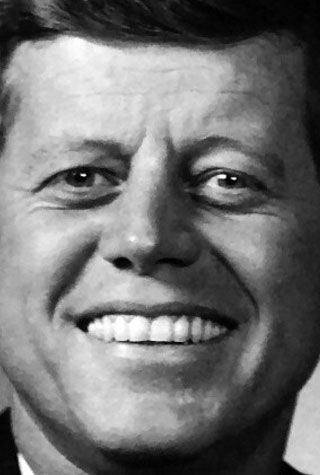
John F. Kennedy.
In just over 1,000 seconds, JFK gave a speech which inspired over 400,000 people to do the impossible.
02

Steve Jobs.
Jobs turned every product into a story. Simple. Emotional. Unforgettable. But with a dash of "reality distortion".
03

Simon Sinek.
He built a unique consulting career based on "a discovery" of just three words and three circles.
04

Jane Goodall.
Her stories make people believe that HOPE is a verb, not just an aspiration for a better world.
EDUCATE.
In a world where we need to embrace AI and reskill faster than ever before, teachers are the real superheroes. If your audience needs to be educated so that they can unlock more of their potential, helping them to understand your story is the key to making it work.
01

Sir Ken Robinson.
If you want an audience to remember your stories, make them laugh. Every 29 seconds.
02

Carol Dweck.
Carol's pioneering research around the "growth mindset" continues to influence the most explosive growth companies.
03

Joan Ganz-Cooney.
In 1966 Joan's 44-page whitepaper revolutionised pre-school education and gave birth to Sesame Street.
04

Kate Raworth.
Sometimes the quickest way to communicate a complex concept is to draw it. Perhaps in the shape of a doughnut?
04
ENTERTAIN.
We're here to build businesses, change the world, and have fun. (Not necessarily in that order.) But some audiences need to be entertained before you can work with them. Here's four commercial storytellers who know how to turn a presentation into a performance.
01

Sir David Attenborough.
Sometimes all you need to do to change the world is ask yuor boss for £500, a camera, and 6 months to work on a project.
02

Bob Iger.
There may be moments in your career, when all you need to be successful is a few bullet points on a 5x3 record card.
03

Emily Chang.
The face of Bloomberg Technology has mastered the art of telling the human stories behind emerging technologies.
04

Cleo Abram.
From Netflix to YouTube superstar, Cleo's stories are infectiously optimistic and highly engaging. Huge if true.
SOLVE PROBLEMS.
At the end of the day, most commercial storytellers are problem solvers. Their job is to help their audience go somewhere they desperately want to go but don't yet know how to get there. Here's four guides who know how to take their audiences where they need to go.
01

Dario Gil.
One of the best science communicators out there, the former head of IBM Research is one of my storytelling heroes.
02

Al Gore.
This former VP taught me how to turn a 3-hour problem-solving climate presentation into a powerful 10-minute slideshow.
03

Jensen Huang.
From his leather jacket swagger to his epic keynotes, Huang is one of the most engaging CEO's in the world today.
04

Demis Hassabis.
The Nobel laureate who unlocked breakthroughs in chemistry & AGI with the power of scientific storytelling.
CHALLENGE.
Sometimes the primary purpose of a business story is to win hearts and minds, and push your audience outside of their comfort zone. It's not enough to make an audience FEEL something, you need them to DO something. That requires a special type of storytelling.
01
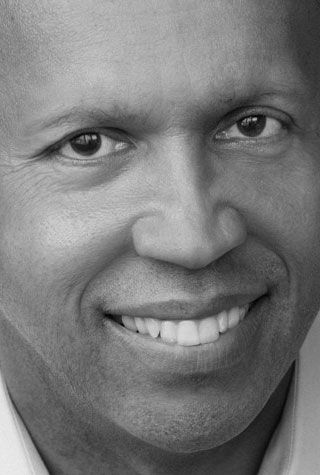
Bryan Stevenson.
Received the longest standing ovation at TED. His 15-minute masterclass inspired people to give $1M before they sat down.
02

Dan Pallotta.
Chris Anderson called Dan's TED talk "the most persuasive presentation I have ever heard in my life."
03

Malala Yousafzai.
You can build a movement on one sentence. "One child, one teacher, one book, and one pen can change the world."
04
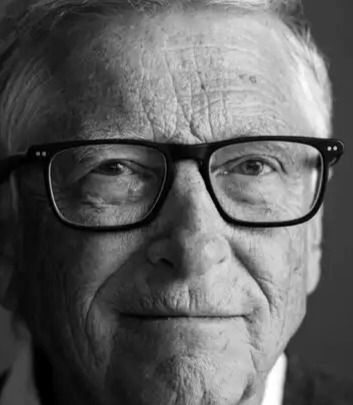
Bill Gates.
Technologist, philanthropist, and storyteller who uses evidence and optimism to address global challenges.
A GOOD STORY CAN CHANGE THE WORLD.
01
“The most powerful person in the world is the storyteller. The storyteller sets the vision, values, and agenda of an entire generation that is to come."
Steve Jobs, Computer Salesman.
02
“I detest competent workmanlike storytelling
(from people who are just trying to keep their jobs).”
Anthony Bourdain, Chef & Travel Writer.
03
“If you can't explain it simply,
you don't understand it well enough.”
Albert Einstein, Scientist.
SOME STORIES...





RESOURCES.
Use the story structures on these PDF templates as inspiration, or upload them into your favourite Generative-AI model for guidance and coaching.
TELL STORIES THAT MATTER.
01
“Your success in life will be determined largely
by your ability to speak and write."
Prof. Patrick Winston, Director of MIT AI Lab.
02
“The person who makes something today isn't the same person who returns to the work tomorrow.”
Rick Rubin, Music Producer.
03
“However beautiful the strategy,
you should occasionally looks at the results.”
Sir Winston Churchill, Former Prime Minister of UK